



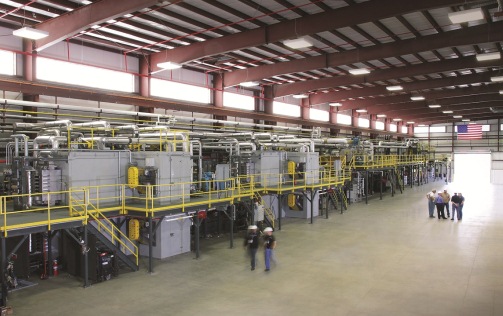
 Os sistemas de linha piloto totalmente integrados da Harper oferecem recursos e condições alinhados aos sistemas de produção em escala para clientes que produzem maiores quantidades de material para amostragem e fazem testes com quantidades menores que as das Linhas de produção de grande escala.
Por exemplo, esta moderna linha de 4,3 kg por hora, instalada no Carbon Fiber Technology Center do Oak Ridge National Laboratory (ORNL) (imagem à direita), se adapta a tamanhos de reboque pequenos, de quatro 12k ou dezesseis 3k, com um total mínimo de 48k, e tem um design centralizado ao redor de uma avançada pilotagem de fibra de carbono.
Sejam quais forem as necessidades de pesquisa e negócios do cliente, a Harper desenvolve linhas totalmente integradas, que atendem às metas atuais e às necessidades de expansão futuras. Por exemplo, nossa linha piloto no ORNL foi projetada com recursos mais avançados, para facilitar as necessidades de desenvolvimento de precursores alternativos do cliente, como:
- Transporte por correia em Fornos e Fornalhas para produtos tipo esteira ou feltro
- Rolos de retorno acionados para evitar deslizamentos com pouca carga
- Componentes internos com alto grau de resistência à corrosão para uso com precursores alternativos
- Três direções de fluxo de ar
A capacidade única da Harper de conectar as diversas etapas do processo em uma linha de processamento de fibra de carbono garante o máximo desempenho possível, o que é comprovado pela nossa liderança no mercado de fibra de carbono. Do manuseio inicial do material à coleta do produto final, trabalhar com a Harper ajuda a garantir a operação de fábrica mais fluida e contínua possível. Formada por especialistas em integração de processos, nossa equipe multidisciplinar tem habilidades especiais para ajudar clientes a atingirem suas metas de tecnologias específicas e implementarem uma linha com máximo desempenho e eficácia.
Como nas linhas em escala, a Harper oferece opções personalizadas de treinamento, serviços e manutenção baseadas nas necessidades do cliente. Além do treinamento, o compromisso da Harper também é bastante renomado no setor, graças às suas soluções rápidas e constantes para garantir o desempenho perfeito das operações do cliente e atender aos requisitos gradativos/emergentes.
Além disso, se preciso, a Harper oferece instalações de teste a seus clientes antes do investimento no equipamento, para ajudar na expansão e no desenvolvimento do processo, uma oferta de solução diferente de qualquer outro provedor de linha de processos.
Assista a este vídeo que mostra o importante processo de expansão da linha de fibra de carbono de pequenas linhas de pesquisa científica para a produção em grande escala, ou leia mais sobre as amplas ofertas de tecnologia da Harper para o processamento de fibra de carbono para qualquer estágio da comercialização:
Manuseio de material
 Temos uma visão abrangente dos problemas relacionados ao manuseio de material, que vai além das operações de unidades individuais. Nosso design avançado para manuseio de material e matéria-prima por meio da embalagem do produto garante a melhor funcionalidade, maximiza a produção, minimiza a sucata e mantém a consistência da qualidade do produto. A Harper oferece uma série de soluções de alimentação e manuseio de materiais, incluindo estações de urdideiras, enroladores, plataformas de acionamento e condicionamento de materiais, como cerdas, umidificadores, barras espaçadoras, rolos de derivação e sistemas de rolos de centralização.
Pré e pós-tratamento e condicionamento de materiais
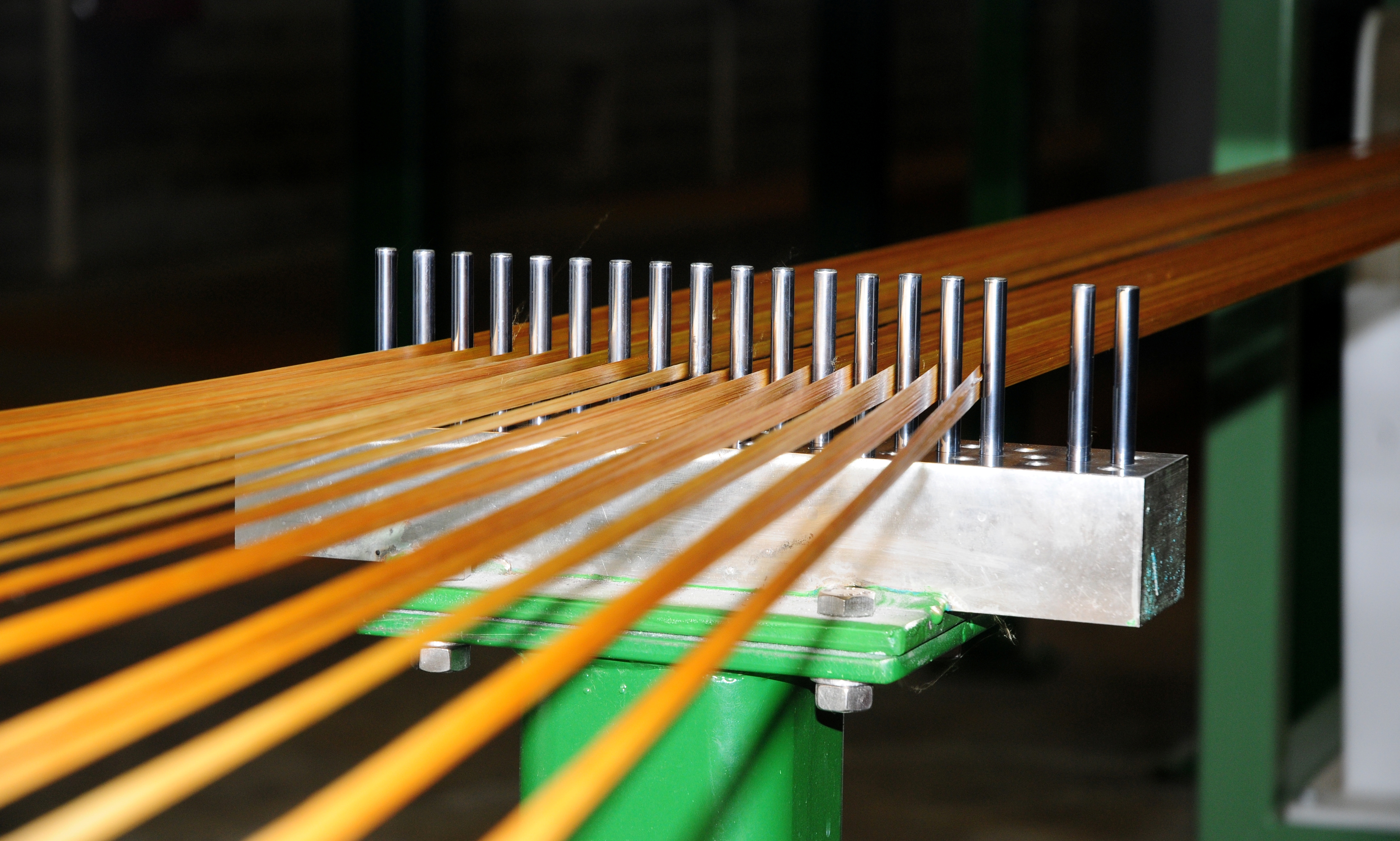 Os engenheiros da Harper têm ampla experiência em pré e pós-tratamento e em condicionamento de materiais, utilizando uma série de soluções. Seja com métodos tradicionais ou emergentes – tratamentos químicos, eletroquímicos, gasosos ou com plasma –, trabalhamos com seu processo para garantir um gerenciamento completo da preparação química e a minimização e o tratamento das soluções residuais do condicionamento. A Harper busca projetar tecnologias que se integrem facilmente à linha e cumpram com os objetivos técnicos e de negócios desejados.
Unidades térmicas
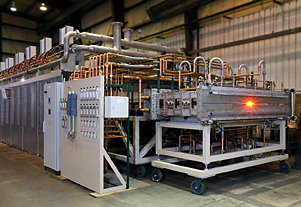 Padrão para a tecnologia de processamento térmico para fibra de carbono desde o início da indústria, a Harper oferece uma série de equipamentos em faixas térmicas além do que a concorrência pode oferecer, incluindo fornalhas e fornos de oxidação em tamanhos de escala laboratorial, escala piloto e escala total de produção. Temos os componentes básicos para criar soluções para os processos térmicos mais desafiadores, utilizando nossos anos de experiência e prática para desenvolver sistemas personalizados e únicos para fabricantes de materiais de primeira linha.
Saiba mais – Tecnologias de fornalha
Saiba mais – Tecnologias de forno de oxidação
Tratamento e manuseio de gás
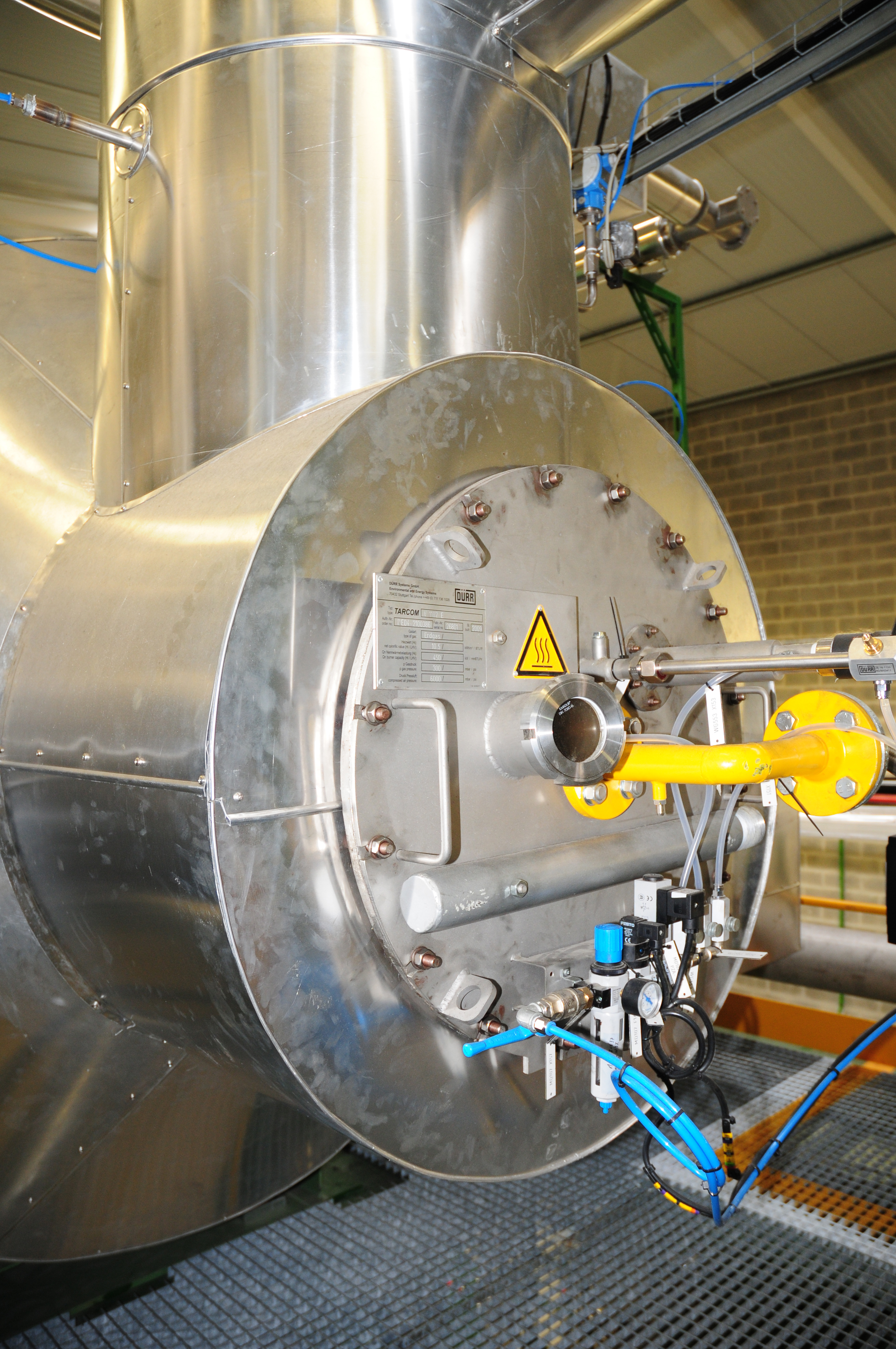 A Harper lida com o tratamento e manuseio de gás com diversos objetivos. Nossos projetos são focados em gerenciar emissões e tratar os gases liberados de forma ecologicamente consciente, e também consideramos oportunidades de recuperação de energia para uso no processo.
Saiba mais – Tratamento e manuseio de gás
Sistemas de controle totalmente integrados
 A partir do primeiro ponto de conexão, a Harper projeta uma instalação de produção com rigorosa atenção aos detalhes e grande consideração de como a fábrica funcionará. Nosso grupo de controles desenvolve sequências de operações (SOP) que buscam, simultaneamente, eficiência e maior qualidade dos produtos. Nossos sistemas totalmente integrados conectam todos os equipamentos do processo a um sistema de controle centralizado, garantindo que a operação seja a de uma fábrica cooperativa, que funciona na mesma plataforma de controle, em vez de plataformas de controle individuais e isoladas.
Saiba mais – Sistemas de controle totalmente integrados